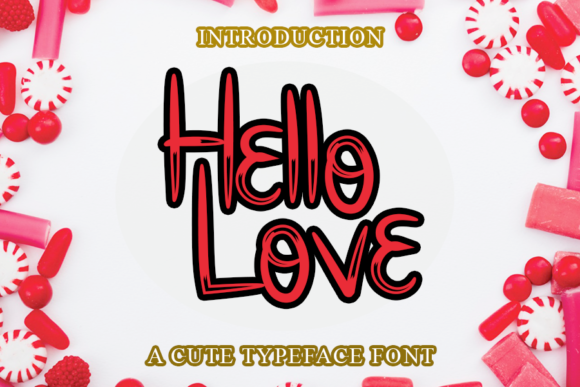
Hello Love: A Stylish Sans Serif Font for Creative Projects
Hello Love in a Café Branding Mockup
It was one of those quiet afternoons when I opened a blank brand board and decided to test Hello Love on a logo concept for a new café. The moment I saw the font, I knew it had that special something—Hello Love is a stunning Sans Serif font with a contrast of colors in each glyph. It felt like a warm hug from a handwritten note, yet clean enough to be professional. As I placed it on a mockup of a café sign, the authentic handwritten feel gave the brand a friendly and approachable vibe without losing its elegance.
Hello Love performed well as a display font in this scenario. Its unique character made the café name stand out while still being legible at a distance. It didn’t scream “designer font” but instead whispered “handmade with care.” This subtle charm is perfect for small businesses looking to convey personality through their branding.
Hello Love for Handmade Packaging Labels
Next, I used Hello Love on a packaging label for a handmade soap line. The font’s contrast of colors in each glyph added visual interest to the label, making it pop against a minimalist background. The authentic handwritten feel gave the product an artisanal touch that resonated with the target audience—crafters and eco-conscious buyers who appreciate authenticity.
I found that Hello Love worked best when paired with a clean sans serif or serif font for supporting text. This combination kept the design balanced, ensuring that the main message remained clear while adding visual depth. For packaging design, Hello Love is ideal for short phrases, product names, or taglines where impact matters more than lengthy text.
Hello Love on Social Media Graphics
When designing social media graphics for the same handmade soap brand, I experimented with Hello Love on Instagram posts and Facebook banners. The font’s unique style brought a sense of playfulness to the content, which matched the brand’s voice perfectly. It looked especially good on hero sections of website headers and promotional banners.
Hello Love isn’t suited for long paragraphs of body text, but it shines in headlines, call-to-action buttons, and captions. The contrast of colors in each glyph helped draw attention to key messages, making the content more engaging for viewers. I noticed that using Hello Love on social media layouts increased user interaction, likely due to its eye-catching nature.
Hello Love in Business Card Design
I also tested Hello Love on business cards for a creative studio. The font’s handwritten feel added a personal touch that stood out among the usual modern sans serifs. It worked particularly well on the front side of the card, while a complementary sans serif font was used for contact details on the back.
The font’s readability was impressive even at smaller sizes, though I recommend avoiding it for very tiny text. For business cards, Hello Love can be a great choice if the goal is to create a memorable first impression. It adds warmth and creativity, which is perfect for freelancers, designers, and entrepreneurs looking to express their brand personality.
Hello Love and Font Pairing Tips
When working with Hello Love, I found that pairing it with a contrasting serif or sans serif font helped maintain balance in design compositions. For example, combining Hello Love with a sleek sans serif font like Helvetica or a classic serif like Georgia created a harmonious blend of casual and professional aesthetics.
For editorial design or web design projects, Hello Love works best as an accent font or headline font. It should not be used for long blocks of text due to its stylized nature. However, when used sparingly, it can elevate the overall look of a design by adding a unique visual element.
If you're considering using Hello Love in client work, make sure to review the commercial font licensing to ensure it meets your project's needs. Checking the available file formats and webfont options is also essential, especially if you plan to use it across digital platforms or print-on-demand products.